Prevention and Treatment of Lower Back Pain in Athletes
Sports, often regarded as beneficial for health, can sometimes cause back pain. Nearly 80% of adults experience back pain, or low back pain, at some point in their lives. This pain, which can have many origins, is frequently caused by excessive strain on the spine and lumbar muscles, a problem to which athletes—subjected to intense stress—are particularly vulnerable.
Low back pain in athletes can not only affect performance and motivation, but also quality of life and psychological balance, and may even lead to severe complications such as herniated discs or stress fractures.
It is important to prevent low back pain in athletes by adopting suitable practices and habits for their physical activity, and to know how to treat this pain if it arises, as well as how to safely return to sports.
In this article, we will discuss the understanding, prevention, and treatment of low back pain in athletes, offering advice based on scientific data and expert recommendations to prevent and relieve back pain.
Understanding Low Back Pain in Athletes
Definition and Symptoms of Low Back Pain
Low back pain is characterized by pain in the lower back, ranging from the last ribs to the buttocks. Depending on the duration and intensity of this pain, it can be classified as acute or chronic.
It can lead to various symptoms, including stiffness, spasms, restricted movement, radiating pain to the lower limbs, or even neurological signs. Low back pain is considered common if it is not caused by a specific disease such as infection, tumor, fracture, or inflammation.
Typical Causes of Low Back Pain in Athletes
For athletes, low back pain can be triggered by several factors often related to sports practice. The main causes are:
- Excessive or improper mechanical strain on the spine and lumbar muscles, such as impacts, vibrations, repetitive movements, or demanding postures;
- Muscular or ligament disorders, leading to incorrect distribution of forces and tensions on the spine;
- Deficits in joint mobility or stability, limiting shock absorption and dissipation of stress;
- Anatomical or functional abnormalities of the spine, like scoliosis or hyperlordosis;
- Direct or indirect trauma, such as a fall or twist;
- Psychological or emotional factors, influencing pain perception and tolerance for effort.
Sports with a High Risk of Low Back Pain
The risk of low back pain varies among sports disciplines. Sports particularly at risk include:
- Contact sports (rugby, American football, judo, boxing) exposing participants to violent impacts;
- Throwing sports (javelin, discus, hammer, baseball) intensely engaging the trunk muscles;
- Racquet sports (tennis, badminton, squash) requiring abrupt movements of the spine;
- Running and athletics (distance, middle distance, trail) generating repeated impacts, especially on uneven terrain;
- Strength sports (weightlifting, bodybuilding, crossfit) involving repeated lifting of heavy loads;
- Flexion sports (gymnastics, dance, yoga) demanding a wide range of spinal movement.
Preventing Low Back Pain in Athletes
Best Practices to Avoid Low Back Pain
To effectively prevent low back pain in athletes, it is crucial to adopt appropriate sports practices and follow several recommendations:
Choose a sport suited to your level, age, and physical abilities;
- Vary activities to work different muscle groups and prevent overloading a specific part of the body;
- Maintain proper posture and careful technique, avoiding abrupt movements, twists, and excessive bending of the back;
- Use appropriate and suitable equipment, such as shoes that absorb shocks well, a bike set to the right height, a racquet of the correct size, etc.;
- Strictly follow safety instructions and the guidance of coaches or trainers;
- Listen to your body and stop activity in case of pain or fatigue;
- If low back pain persists, it is advisable to consult a physician or physical therapist.
Recommended and Sports to Avoid
The choice of sport can influence the risk of low back pain. Some sports are more favorable for back health, while others may worsen lumbar pain. Here is a list of recommended sports and those to avoid if you have low back pain:
|
Recommended Sports |
Sports to Avoid |
|
Swimming, especially backstroke and freestyle, reduces strain on the back and strengthens dorsal muscles. |
Contact sports (rugby, American football, judo, boxing) expose participants to violent impacts. |
|
Cycling, on the road or stationary, enhances cardio without trauma to the back, provided good posture is maintained. |
Throwing sports (javelin, discus, hammer, baseball) intensely engage trunk muscles. |
|
Walking, performed on soft surfaces with appropriate shoes, stimulates blood circulation. Nordic walking is also recommended. |
Racquet sports (tennis, badminton, squash) involve abrupt and asymmetrical movements. |
|
Core strengthening stabilizes the spine by contracting abdominal and dorsal muscles. |
Running sports (sprint, marathon, trail) generate repeated impacts on the back. |
|
Yoga relaxes muscle tension, improves flexibility and endurance, avoiding extreme poses. |
Strength sports (weightlifting, bodybuilding, crossfit) involve lifting heavy loads. |
|
Board sports (skiing, snowboarding, surfing) strengthen deep back muscles and improve balance. |
Sports requiring significant spinal flexion (gymnastics, dance, certain yoga styles) risk overstretching or compressing vertebrae. |
The Role of Warm-ups and Strength Training
A warm-up before any physical activity is essential. It prepares the body for exercise, increases body temperature and blood circulation, and improves muscle flexibility. As a result, it minimizes the risk of injury and optimizes performance.
This phase should be progressive, tailored to the specific activity and its duration, and should include mobility exercises, cardio-respiratory conditioning, strength training, and stretching—particularly for the areas most heavily used, such as the back and lower limbs.
As for muscle strengthening, it plays a key role in preventing lower back pain by strengthening the muscles that support the spine, particularly the abdominals, back muscles, glutes, and lower back muscles. It also corrects any muscle imbalances that may cause back pain.
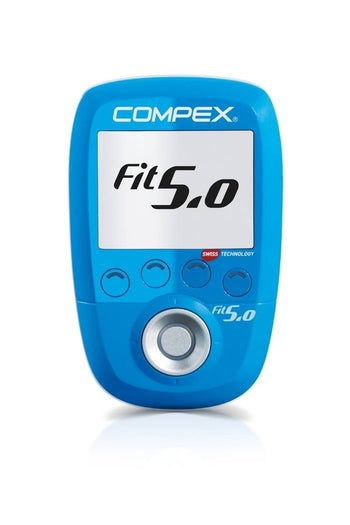
Strength training should be a regular practice, complementary to sports activities, and always tailored to each athlete’s abilities and goals. It is essential to follow the principles of progression and recovery and to seek guidance from professionals for targeted and appropriate advice. You can also use a Compex electrostimulator to safely work on your core strength.

Treatment and Return to Sports After Lower Back Pain
Diagnosis and Medical Follow-Up
When experiencing lower back pain, it is crucial to consult a doctor to obtain an accurate diagnosis and rule out any serious conditions such as fractures, infections, tumors, or inflammation. The clinical examination conducted by the doctor includes a detailed interview, observation of posture, palpation of muscles and joints, tests of mobility and sensitivity, and, if necessary, tests of strength and reflexes.
Additional tests such as an X-ray, ultrasound, CT scan, or MRI may be ordered as needed. The patient may be referred to a physical therapist for a thorough evaluation of lumbar function and the development of a customized rehabilitation program, using manual techniques, exercises, massage, cryotherapy, electrostimulation, among others, aimed at relieving pain, improving mobility, strengthening muscles, and preventing relapses.

Close medical and physical therapy monitoring is essential to promote continuous improvement in lower back pain and ensure a return to sports under the best possible conditions.
Available Treatments for Low Back Pain in Athletes
The treatment of low back pain in athletes focuses on several key areas:
- continuing or resuming physical activity, as much as possible, while avoiding prolonged inactivity, which could harm the back and contribute to the persistence of pain;
- pain management, using pharmacological methods (pain relievers, anti-inflammatories, muscle relaxants, etc.) or non-pharmacological methods (application of heat or cold, acupuncture, hypnosis, pain relief belts, etc.), while strictly adhering to prescriptions and any contraindications;
- addressing risk factors such as obesity, smoking, stress, poor posture, or improper movement, which can perpetuate or worsen low back pain;
- therapeutic education, to inform the patient about their condition, teach them how to manage their pain, adopt appropriate movements in daily life and during physical activity, and prevent relapses.
Phases of Returning to Physical Activity
Returning to sports following lower back pain should be done gradually and tailored to the individual, taking into account the severity of the injury, the sport being practiced, the athlete’s performance level, and their goals. General guidelines for returning to physical activity are based on clinical and functional criteria:
- Phase 1: The athlete must be able to perform daily activities without pain, walk easily, bend and turn without difficulty, and move from a lying to a standing position without assistance.
- Phase 2: The athlete should be able to perform core strengthening and mobility exercises without pain, run on a flat surface, jump and change direction easily, and perform sport-specific movements at moderate intensity.
- Phase 3: The athlete should be able to perform core strength and speed exercises without pain, run on various surfaces, jump and change direction at full intensity, and perform sport-specific movements at maximum intensity.
- Phase 4: The athlete should be able to fully resume their sport without pain, without a decline in performance, without apprehension, and without compensating. It is also essential to follow prevention and monitoring guidelines to reduce the risk of relapse.
Conclusion
Engaging in physical activity despite back pain is entirely possible, provided you take certain essential precautions to protect the health of your spine.
Lower back pain in athletes, although common, can be effectively prevented, treated, and overcome through targeted intervention by a doctor and a physical therapist.
It is crucial for athletes to choose sports suited to their profile, to diversify their routine with various exercises, to maintain impeccable posture and technique, to use appropriate equipment, to perform warm-ups and muscle-strengthening exercises, to listen to their bodies, and not to hesitate to consult a healthcare professional at the first sign of pain.
It is also important to strictly follow recommendations regarding a gradual return to sports activity, adjusted according to progress made and the desired performance level.
Physical exercise contributes to our well-being, but its benefits are maximized when performed thoughtfully and in moderation. Make movement your ally for a healthy back and to achieve your athletic goals.
Compex home solutions
Sport and Back Pain: Are They Compatible!
Discover the EMS devices to treat and prevent lower back pain →
🙋FAQ
❓How can I quickly relieve lower back pain?
To quickly relieve lower back pain, it is recommended to take pain relievers such as acetaminophen or anti-inflammatory medications like ibuprofen. Applying heat to the affected area (you can also use the Compex TENS belt for this) and staying active through appropriate exercises are also effective strategies.
❓What sports should I do if I have lower back pain?
If you have lower back pain, opt for low-impact activities such as swimming, cycling, walking, core exercises, and yoga. These activities help reduce pressure on the spinal joints, stretch the affected muscles, strengthen your core, and release accumulated tension. It is recommended to avoid activities involving impact or sudden movements, such as running, cycling, or swimming.
❓Why do I have lower back pain after exercising?
Lower back pain following physical activity often results from micro-tears in muscle fibers, which trigger inflammation and consequently pain. To prevent this discomfort, it is crucial to maintain proper posture, avoid high-intensity sports or those involving significant asymmetry, and perform stretches before and after exercise.
❓What exercises can you do to relieve lower back pain?
To relieve lower back pain, focus on movements and exercises that strengthen your core, back, abs, and glutes, while stretching your back and legs. Core exercises, squats, and stretches targeting the psoas, glutes, and thighs are particularly recommended.