The days are getting warmer and longer, meaning summer is nearly here. As well as excitement for sunshine and holidays, many people can feel pressure about how their body looks going into a season marked by fewer clothes.
The ‘summer body’ campaign has been a great marketing tool pushed by brands to sell us diets, workout programmes or supplements. But you don’t need those things to feel like your best self.
How to get toned
We’re often sold the goal of having a ‘toned’ body, marketed with magic supplements, specific workout routines, fancy recipes and wellness hacks. But the word doesn’t really mean anything beyond growing muscle and losing fat, which can be achieved by simple, healthy habits.
Most importantly, no one needs to get toned for summer. But strength training and eating well is a good idea for everyone.
Building muscle
Building muscle occurs by pushing or pulling your muscles against resistance, like your body weight or dumbbells. During this process, the muscles tear, and afterwards, they grow back bigger and stronger.
Exercise selection and rep ranges can make a difference to you. Compound exercises are a good choice as they use multiple muscle groups at one time and are demanding enough to raise your heart rate. These exercises include:
- Squats
- Deadlifts
- Pull ups
- Press ups
- Lunges
- Bench press
Isolation exercises, such as glute bridges or lateral raises, are still beneficial for building specific muscles and avoiding weaknesses or imbalances. Each gym session could benefit from a targeted choice of a few compound moves coupled with some isolation exercises. Around eight to 12 reps, repeated three or four times, of each exercise would also help your muscles grow.
Progressive overload is a key strategy for muscle building. Once your body is used to lifting a certain weight or doing a certain number of reps, it stops being challenged – and therefore stops needing to repair and build the muscles used. Progressive overload is the principle of gradually increasing the demand on your muscles over time, so they're always being pushed just beyond their comfort zone.
That doesn't have to mean constantly lifting heavier weights. You can progress by:
- Doing more reps with the same weight
- Adding an extra set
- Reducing rest time between sets
- Improving the quality or range of motion of a rep
Can EMS Help Sculpt Your Body?
Electrical stimulation works by activating different muscle fibers, allowing you to focus on muscle volume, tone, or definition. Whether you want to sculpt your abs, refine your waistline, or tone your body, EMS can help you achieve your goals. You can target any muscle group, from biceps and triceps to shoulders, glutes, and thighs.
So, does electrical stimulation actually build muscle? The answer is YES! Studies have shown an increase of up to 8% in muscle volume after just six weeks of EMS use. Other clinical and athletic research demonstrates that NMES can support improvements in muscle tone and increase muscle volume by approximately 5–15% over several weeks of consistent use, particularly when high-frequency stimulation and eccentric contractions are applied.
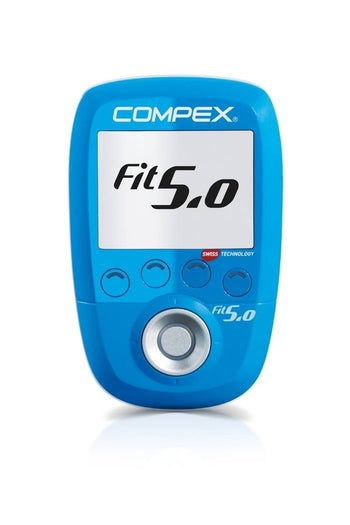
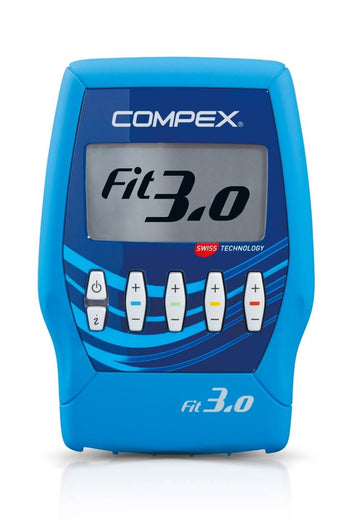
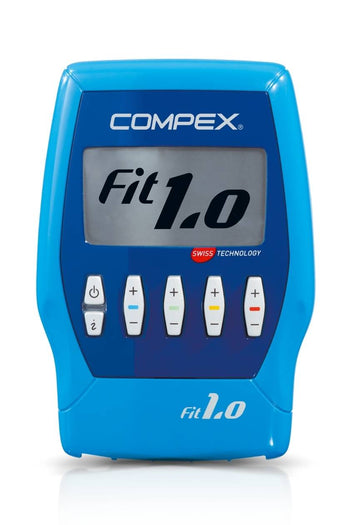
Among the many EMS devices available on the market, Compex is the most trusted and recognized brand. Physiotherapists use Compex for patient rehabilitation, and pain management centers rely on its medically certified technology, supported by numerous scientific studies.
For more insights about how EMS can help you achieve your summer body, read this blog post.
Compex Solutions for Home Use
Get the perfect summer body!
Find the Compex muscle stimulator that's right for you →
The truth about fat loss
Fat loss is only achieved through entering a calorie deficit: eating less than you burn, so the body uses its own fat reserves as fuel. However, fitness tracking, calorie counting and obsessing over your energy in vs out is often unreliable and obsessive. Eating the smallest amount and doing as much as possible to enter a huge deficit is also unsustainable, exhausting, unhealthy and even dangerous.
The best way to support fat loss is, again, with resistance training. It’s a form of exercise that burns energy, but, even better, muscle itself is also ‘metabolically demanding’ – it requires a lot of energy to simply exist on your body, increasing the amount of energy your body burns even when it's resting.
Increasing your step count and adding other forms of exercise into your week are great ideas for your mental and physical health, as well as increasing your daily energy burn.
Something important to note is that you can’t choose where you lose fat from. The body will burn fat from wherever it chooses, and no amount of spot reduction exercises or supplements will change that. Yep, that means products promising to burn your belly fat or exercises that claim to blast arm fat, don’t really work.
What to eat for a summer body
Forget everything you think you know about summer body diets. The best thing we can do is eat to feel good, which means a diet of abundance – adding in plenty of nutrients to fuel our health rather than cutting out food groups. Restriction and crash diets are even linked to worse mental health and increased stress, as well as weight gain and worse digestion.
If you’re looking to eat well to feel good, this is where to start.
Protein
Protein is vital to recovering and building muscles after your workout, so if gaining muscle is the goal, protein is the game. It’s recommended that people trying to build muscle eat around 1.6-1.8g of protein per kilogram of bodyweight per day. So, if you weigh 70g, your daily protein intake should be 112g-126g of protein per day.
Rather than meticulously weighing out your protein, it’s best to aim for a source of protein in every meal or snack. Some great sources include:
- Milk, yoghurt and dairy products (or soy-based alternatives)
- Chicken
- Fish, prawns and seafood
- Tofu and tempeh
- Beans and legumes
Fibre
Fibre is one of the most important nutrients that most of us lack: only around a quarter of adults eat enough of it every day.
The goal is around 30g, and it’s easy to hit with the right foods. But why is it so important?
Our bodies can’t break down fibre, so it moves through your digestive system intact. As it does, it absorbs water and adds bulk to your stools, keeping your digestion moving at a healthy pace and reducing bloating and constipation. It also feeds the good bacteria living in your gut as it passes through. These bacteria play a surprisingly big role in your overall health, from your immune system to your energy levels.
Try adding a source of fibre to every meal, including:
- Beans and legumes
- Grains, including wholegrain rice, pasta and bread
- Fruit like apples, bananas and avocados
- Vegetables like broccoli and carrots
- Nuts and seeds
If you don’t eat much fibre, it’s best to increase your intake slowly to avoid overwhelming your digestive system. Add in small spoonfuls of high-fibre foods to start, then increase the serving size over the course of a few weeks.
Nutrients
Food is much more than protein, carbs and fats. It’s vitamins, minerals and nutrients that allow your body to function and feel its best.
Variety is really important for health, so think about eating plenty of different fruits, vegetables and plants. One simple way to get enough of a mix is to think about eating the rainbow, ensuring you get lots of different coloured foods into your diet.
Colours indicate different phytonutrients and antioxidants. For instance, purple foods like aubergine and blueberries are high in anthocyanins that support heart health, while orange foods like carrots and clementines are high in carotenoids that support immune health.
Hydration
If you feel tired, sluggish or unable to concentrate, your hydration might be to blame. Drinking enough water also supports your digestion, reducing constipation, and supports performance in your exercise.
In summer, when you're sweating more, hydration needs to come into consideration. Most adults need around two litres of water a day – but water in your tea, coffee, squash and juice counts towards that (though some of these foods are high in sugar and diuretics, which make you need to urinate more frequently, making them less hydrating).
Try to keep a glass of water near you at all times that you can sip on throughout the day.

The summer body mindset
You can eat well, train consistently and stay hydrated – and still feel terrible about how you look.
‘Bikini body’ culture has existed for decades, yet has rarely ever made women feel better about themselves. Selling the idea that smaller equals better, or the only you worth seeing is the leanest version, only makes money for the diet industry while impacting your self-esteem.
Research shows that health and happiness are not related to what your body looks like, but how you treat it and feel about it. But re-wiring your brain to respect your body is hard when the cultural narrative convinces us that there is only one acceptable way to look.
While we can’t avoid all mainstream advertising, we can take control of our own channels. Curate a social media feed of people who are all shapes and sizes to remember that there’s beauty in every body. You can also tell your friends and family that you’re trying to limit diet talk and negative conversations about bodies.
You’re not a failure for not loving your body, but remember that what you look like is the least important part of summer. Making memories in the sunshine with your loved ones matters more.