Perimenopause is a life stage that 51% of the population will reach. Yet, until recently, it was quietly dismissed, leaving women thinking that physical and mental changes were just a side effect of ageing that they had to struggle through. But over the past few years, perimenopause has gone mainstream, with books, documentaries and social media content being made about it to normalise and educate.
But awareness is only the first step. Understanding the changes in you body and knowing to support yourself is where the real power lies. Perimenopause is not simply something to endure, but with the right knowledge and support, it can be a turning point for your long-term health.

What is perimenopause
Perimenopause describes the time before menopause, which is when your period has stopped for 12 months and won’t come back. Perimenopause typically lasts from four to 10 years before that, and is characterised by fluctuating hormones, which can lead to a range of symptoms. These include:
- Hot flushes
- Irregular periods
- Mood changes
- Vaginal dryness
- Low energy
- Brain fog
- Night sweats
Perimenopause normally begins around the mid-to-late 40s, but for some women, it can start in their mid-30s.
How does perimenopause impact your health
Perimenopause marks the start of the decline of hormones such as estrogen, progesterone and testosterone. Eostrogen in particular doesn’t taper off gently, with levels instead spiking and falling erratically. Fluctuating and falling levels of all of these hormones can impact your health, with the risk for many diseases rising after menopause. Menstrual health
Your monthly cycles will start to become irregular and your fertility declines, though pregnancy is still possible until periods stop completely. However, as estrogen can be erratic during perimenopause, many women find their bleeds become heavier or more painful.
Cardiovascular health
Estrogen has a protective effect on blood vessels so, as it declines, LDL (or ‘bad) cholesterol tends to rise and HDL (‘good’) cholesterol may fall. Blood pressure can increase, raising cardiovascular disease risk. This is the leading cause of death for women post-menopause.
Metabolic health
Even if you don’t change your diet or exercise, you might notice more fat around your midsection. That’s a result of falling hormone levels, that change how fat is distributed in your body. Insulin sensitivity can also change, raising the risk of type 2 diabetes. Overall, your metabolism tends to slow down, which can lead to weight gain.
Bones, muscles and joint health
Estrogen helps maintain muscle mass and bone density. As estrogen declines during perimenopause, muscle loss accelerates. Women lose around 3-8% of their muscle per decade after 30, with a 0.6% decline in muscle mass per year post-menopause, unless we work to prevent and grow it. Muscle is one of the healthiest things we can add to our body, helping to increase our metabolism, protect our body from pain and injuries, and keep us independent as we age.
Bone loss also accelerates, increasing the long-term risk of osteoporosis and fractures. Women can lose up to 20% of their bone density in the five to seven years around and after menopause, leading to osteoporosis. Around half of women aged over 50 will experience a fracture due to the condition.
Joints can also suffer from a decline in collagen, and many women experience joint aches and stiffness, sometimes called menopausal arthritis.
Mental health
Estrogen plays a role in serotonin regulation, so declining levels raise the risk of depression, anxiety and mood swings. Fatigue and brain fog can also impact your mental state, concentration and cognitive function. Women with a history of mood disorders are particularly vulnerable during this transition, but everyone should seek help if they notice mood changes.
Sleep health
Poor sleep quality is very common during perimenopause, with around 50% of women experiencing insomnia. This is often a result of night sweats and the impact of hormones on sleep depth and length.
Losing sleep during perimenopause puts you at a greater risk of heart disease, as well as impacting your brain function, mood, energy and appetite the next day.
Sexual Health
Libido often decreases due to hormonal changes, and vaginal dryness can make sex uncomfortable. Between 50 and 70% of postmenopausal women experience these problems to some degree.
Women are often reluctant to raise these concerns with doctors, but they can have a huge impact on your overall health and happiness.
How to stay healthy during perimenopause
These changes may occur naturally, but you don’t have to suffer. With medications and lifestyle changes, you can feel good and support your health during perimenopause and beyond.
HRT
Hormone replacement therapy is a pharmaceutical replacement of estrogen and progesterone, reducing the effects of your symptoms, ranging from hot flushes to anxiety and weight. These can come in pills, patches and creams. Testosterone can also be prescribed for symptoms including low libido, energy and brain function.
All versions of HRT are generally safe to take, though they may not be suitable for all women. Talk to your GP about whether it’s right for you.
Nutrition
Eating enough protein is important to maintain muscle and support metabolism. Aim for around 1.2-1.6g per kilo of bodyweight (for instance, a 70kg person would need 84-112g of protein per day). Meat, fish, legumes and plant-based proteins like you are great options.
Fibre is also an important nutrient for metabolic, gut, heart and brain health. Add beans, legumes and wholegrains to your meals.
Calcium and vitamin D are also critical for bone protection. Dairy, leafy greens and fortified foods are good sources, but you need to supplement vitamin D during the darker months in the UK.
Strength training
One of the best things you can do during perimenopause is resistance training to prevent the natural decline of muscle and bone mass. That keeps you safer from injury, including bone breaks, while also improving metabolic and cardiovascular health. Try to add two to three weight-bearing sessions a week, starting with bodyweight exercises and progressing to dumbbells or machines.
Walking
Cardio exercise, like walking, can support your heart health and burn more energy, but it’s also really great for mindfulness and mood management. Walking around 7,000 steps a day has been shown to support your health, or aim for an hour of walking a day, whether it’s a morning stroll or a longer commute.
Prioritise sleep
It’s really important to support your sleep. Keep the bedroom cool to reduce disruption from night sweats, and wear light, loose clothing. Prioritise a consistent sleep and wake time, and try to avoid screens before bed. If you’re struggling with your sleep, mindfulness and cognitive behavioural therapy can help, but always discuss sleep disturbances with your GP.
Mental health support
Looking after your mental health looks different for everyone, but the first step is always talking to a trusted person about how you feel. Whether that’s a family member, GP or mental health charity, you deserve to seek help.
Finding mindful or meditative hobbies that you enjoy can also help you relax, de-stress and stay present, reducing rumination, anxiety and low mood.
EMS for Women in Perimenopause: Improve Strength, Tone, and Wellbeing
During perimenopause, hormonal changes can have a significant impact on muscle mass, strength, metabolism, and overall wellbeing. Electro muscle stimulation (EMS) is an effective solution to support women during this transition, helping maintain muscle tone, physical performance, and body confidence.
Documented Benefits of EMS for Women in Perimenopause
Research highlights several key benefits of EMS, particularly relevant during hormonal transitions:
- Improved muscle strength: EMS helps stimulate muscle fibers effectively, even with lower physical effort
- Preservation of muscle mass: Helps counteract age- and hormone-related muscle loss
- Better body tone and definition: Supports firmer muscles and improved body composition
- Reduced lower back pain: Particularly beneficial for discomfort associated with postural or hormonal changes
- Enhanced functional fitness: Improves daily movements such as walking, climbing stairs, and overall mobility
These benefits make EMS a powerful tool to maintain strength, vitality, and body confidence during perimenopause.
Why EMS Supports the Body During Perimenopause
EMS technology helps by:
- Activating deep muscle fibers that are harder to recruit with traditional exercise
- Supporting muscle strengthening without excessive joint stress
- Improving circulation and recovery
- It is therefore ideal for women looking for an effective yet gentle solution to stay active and toned.
Compex EMS Programs Adapted for Women in Perimenopause
Compex offers specific programs that perfectly match the needs of women experiencing hormonal changes.
Toning Program: The Perfect Starting Point
The Toning program is ideal to gently reactivate muscles and improve overall tone.
Uses moderate frequencies adapted to sensitive or less active muscles
Helps restore muscle tone and body awareness
Limits fatigue while ensuring effective stimulation
Recommended usage:
3 sessions per week, 20–25 minutes, in a comfortable seated or lying position, with a pain-free intensity.

Strengthening Program: Build and Maintain Muscle Mass
For women with a good fitness base, the Strengthening program helps:
- Increase muscle strength and volume
- Counteract hormonal muscle loss
- Improve overall body firmness and performance
It should be introduced gradually after several weeks of Toning.
Active Recovery Program: Boost Circulation and Recovery
The Active Recovery program is particularly beneficial after physical activity or during periods of fatigue:
- Supports metabolic waste elimination
- Improves blood circulation
- Helps reduce muscle soreness and heaviness, especially in the legs
This program contributes to better recovery and overall wellbeing.

EMS and Perimenopause: A Safe and Effective Approach
When used correctly, EMS is a safe, non-invasive, and clinically supported technology.
For women in perimenopause, it offers:
- A low-impact alternative to intense training
- A way to stay active despite fatigue or hormonal fluctuations
- Targeted muscle stimulation to maintain strength and tone
By integrating EMS into a regular routine, women can better manage body changes, maintain muscle mass, and improve overall wellbeing throughout perimenopause
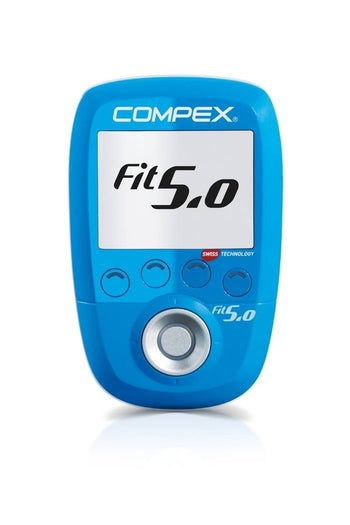
Compex Solutions for Home Use
Everything you need to know about staying healthy during perimenopause!
Find the Compex muscle stimulator that's right for you ->
Takeaway
The most important thing to know about perimenopause is that the symptoms are not inevitable and they are not permanent. Women have long been told that the discomfort, sleeplessness, low mood and brain fog were just part of getting older, and offered little support to cope.
But there are ways to support your health, whether through HRT, lifestyle changes, integration of EMS or a combination of all this. These habits lay the foundation for your health in the rest of your life.
Anyone experiencing symptoms that are affecting their quality of life should speak to their GP to get access to the support they deserve.