Saltar al contenido
Explora nuestras promociones  |  Envío gratuito para pedidos superiores a 100€
Search
Productos Populares
Optimize my recovery
July 20th, 2026 By: Nicolas Dayez

Post-Exercise Recovery: A Complete Guide to Regenerating Your Muscles and Boosting Your Performance

July 20th, 2026 By: Nicolas Dayez
Post-Exercise Recovery: A Complete Guide to Regenerating Your Muscles and Boosting Your Performance

Complete Guide to Muscle Recovery: Strategies, Tools, and Protocols to Regenerate Your Muscles and Sustainably Boost Your Performance

Post-exercise recovery is the neglected aspect of sports training. We hear plenty about volume, intensity, and technique—rarely about what happens between sessions. Yet, it is precisely during recovery that the body adapts, strengthens, and progresses. Understanding and optimising your muscle recovery is just as crucial as the training itself.


In Summary

Optimal recovery relies on four pillars: sleep (the foundation of all regeneration), recovery nutrition (proteins and carbohydrates in the post-exercise window), stress management, and active techniques (active recovery, EMS, hydromassage). Compex electrostimulation with its Active Recovery programmes reduces soreness and accelerates muscle regeneration. Optimised recovery allows you to increase the volume and quality of training without raising the risk of injury.

A woman using the Compex FIT 5.0 EMS muscle stimulator for quad muscle recovery

Understanding What Happens in the Muscles After Exercise

Muscle Micro-Lesions

During intense effort, especially eccentric contractions, muscle fibres experience micro-tears. These are not injuries: they are the trigger for muscle growth. The body repairs these fibres, making them thicker and stronger—this is the fundamental principle of adaptation. This repair takes between 24 and 72 hours, depending on the intensity and the athlete’s level. Intense effort before repair is complete accumulates damage and increases the risk of overload injuries.

Fatigue Metabolites

During exercise, muscles produce metabolites (lactic acid, hydrogen ions, inorganic phosphate) that cause burning sensations and fatigue. Their effective elimination through blood circulation is essential. This is why strategies that increase local circulation—active recovery, massage, EMS—are so effective.

Glycogen Debt

Muscle glycogen is the main energy source for intense efforts. After a demanding session, stores are partially depleted. Resynthesis takes 24 to 48 hours. An athlete who resumes without having replenished their stores will be less effective and more vulnerable.


The 6 Pillars of Optimal Recovery

Pillar 1: Sleep

Quality sleep is the most powerful recovery strategy available. It is during deep sleep that growth hormone secretion peaks, muscle repair occurs, and the nervous system recharges. Insufficient sleep (less than 7 hours) significantly increases injury risk.

  • 7 to 9 hours of sleep per night (more during heavy training periods)
  • Avoid screens in the hour before bed
  • Cool bedroom temperature (18–20 degrees Celsius)
  • Consistent bedtime, even at weekends

Pillar 2: Recovery Nutrition

The metabolic window after exercise—the 30 to 60 minutes following a session—is the prime period for recovery nutrition. Proteins (20 to 40 g) within an hour after exercise provide amino acids for muscle fibre repair. Carbohydrates replenish glycogen stores. The combination of proteins and carbohydrates is more effective than protein alone.

Pillar 3: Hydration and Electrolytes

Even mild dehydration (1–2% of body weight) significantly impairs performance. Rehydrate gradually with water and drinks containing electrolytes (sodium, potassium, magnesium).

Pillar 4: Active Recovery

Light exercise after intense effort—gentle swimming, slow jogging, cycling without resistance—is among the most documented strategies for speeding up metabolite elimination and preparing for the next session.

Pillar 5: Compex Active Recovery Electrostimulation

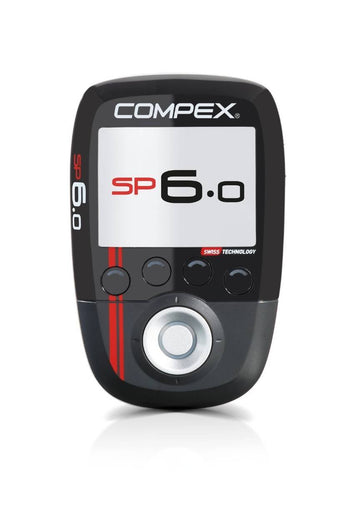
Compex’s Active Recovery programmes use very low frequencies to provoke gentle contractions, promoting circulation without causing further fatigue. The result: accelerated toxin elimination, reduced soreness, and noticeably lighter legs the next day. Recommended use: within 2 hours after exercise, electrodes on the most worked areas, Active Recovery programme for 20 to 30 minutes. The sensation should be that of a comfortable internal massage.


Compex home solutions

Post-Exercise Recovery !

Discover the perfect muscle stimulators for recovery →


Pillar 6: Manual and Thermal Techniques

Massage (foam roller, professional massage), cold baths (reduce acute inflammation within 24 hours post-exercise), and hot baths (promote relaxation during later phases) complete the recovery toolkit.

a woman doing a session with the compex ion, lying on the florr in the nature

Recognising Overtraining

When recovery is chronically insufficient, the body enters a state of overtraining. Warning signs:

  • Performance decline despite maintaining volume
  • Persistent fatigue not resolved by rest
  • Elevated resting heart rate on waking
  • Sleep disturbances
  • Irritability, loss of motivation
  • Frequent infections (repeated colds)

If you notice these signs: drastically reduce training volume and prioritise recovery for several weeks.


Protocols According to Type of Effort

After Prolonged Endurance Effort (marathon, Ironman)

The first 24 hours:

  • Gradual rehydration with electrolytes
  • High-carb and high-protein meal within 2 hours
  • Compex Active Recovery session on the legs (20–30 min)
  • At least 9 hours of sleep

Days 2–3:

  • Very light activity (walking, gentle swimming)
  • Continue EMS Active Recovery

After Strength Effort

The first 24 hours:

  • 2 to 3 protein intakes spread throughout the day
  • EMS on the targeted areas (Active Recovery programme)
  • Gentle stretching at the end of the day


Modern Monitoring Tools

  • HRV monitors: measure heart rate variability, an excellent indicator of recovery status
  • Connected watches with sleep tracking: quantify sleep quality and duration
  • Perceived exertion scales (RPE, DOMS): simple but effective for self-assessing perceived fatigue


Key Takeaways

Post-exercise recovery is not wasted time—it is smart training. Every minute invested translates to better performance and lower injury risk. Compex electrostimulation, especially its Active Recovery programmes, stands out as one of the most effective and practical tools to integrate active recovery into your routine.


🙋FAQ – Muscle Recovery

How long should I recover between two intense sessions?

48 to 72 hours is generally recommended between two intense sessions targeting the same muscle groups. Moderate sessions can alternate daily if the targeted areas differ.

Is cold better than heat for recovery?

Cold is more effective in the first 24 hours to reduce acute inflammation. Heat is better suited for later phases to promote muscle relaxation. Avoid heat immediately after intense effort.

Do protein powders really help recovery?

Whey protein (rich in leucine) effectively stimulates protein synthesis and speeds up recovery. If your total protein intake is adequate, BCAAs offer no major additional benefit.

How can I tell if I am recovering enough?

Key indicators: resting heart rate on waking (an increase of 7–10 bpm = sign of fatigue), performance during sessions, sleep quality, and general mood. HRV tools are particularly reliable.

Is Compex EMS Active Recovery really effective?

Yes. Studies and professional athlete experience confirm the effectiveness of EMS recovery programmes: accelerated metabolite elimination, reduced soreness, and subjective improvement in recovery.

Respaldados por estudios clínicos que demuestran su eficacia, los estimuladores Compex pertenecen a la categoría de dispositivos médicos de Clase II y también cumplen con los requisitos de la Norma Médica Europea 93/42 CEE.

Lecturas relacionadas

Tu Carrito ( 0 )

Tu carrito está actualmente vacío.