A comprehensive approach to regaining a flat stomach and improving health beyond 40
Many men notice that their stomach becomes rounder as they age, even without significant weight gain on the scales. This stubborn abdominal fat is not just an aesthetic issue: it is also a key indicator of metabolic and cardiovascular health. Understanding why this belly appears and how to combat it effectively is essential for preserving your health and physique after 40.
The good news? Losing belly fat is absolutely possible, even after your forties or fifties. However, it requires a holistic approach combining tailored nutrition, targeted physical activity, and possibly innovative tools like electrostimulation. In this complete guide, discover the real causes of abdominal fat accumulation in men and the practical solutions for achieving a lasting flat stomach.
Why Do Men Gain Belly Fat With Age?
Physiological Changes After 40
The phenomenon of belly gain in men is explained by several natural physiological changes related to ageing. From the age of 30-40, muscle mass starts to gradually decline—a process known as sarcopenia. At the same time, fat mass tends to increase, even if overall weight remains stable.
This equation may seem paradoxical: how can you lose muscle, gain fat, yet keep the same weight? The answer lies in tissue density. Muscle is denser and heavier than fat, so a kilogram of lost muscle can be replaced by a kilogram of fat which takes up more space. The result: your silhouette changes without the scales necessarily showing it.
The skin also loses tone and elasticity with age, contributing to the saggy appearance of the abdominal region. Fat distribution shifts, with an increased tendency for storage in the abdominal area rather than elsewhere in the body.
Abdominal Fat: Understanding the Two Types
Not all abdominal fat is created equal. Two distinct categories coexist within your belly, each with very different implications for your health.
Subcutaneous fat sits just beneath the surface of the skin—the type you can pinch with your fingers. Mainly located above the navel, it represents the visible part of the belly. Although unsightly, it is relatively harmless from a metabolic perspective.
Visceral fat, far more concerning, is found deep within, surrounding your internal organs (liver, pancreas, intestines). Invisible from the outside but measurable by scans or MRI, this metabolically active fat secretes inflammatory substances and disrupts your body's regulation of sugar and lipids. It significantly increases the risks of type 2 diabetes, cardiovascular disease, hypertension, and metabolic syndrome.
This particular fat distribution in men is known as android obesity (apple-shaped), as opposed to gynoid obesity (pear-shaped), which is more common in women of reproductive age. After menopause, women also tend to develop android distribution due to declining oestrogen, bringing their hormonal profile closer to that of men.
The Determining Role of Hormones
Abdominal fat storage in men is mainly influenced by sex hormones, particularly testosterone. As men age, testosterone levels gradually decrease (about 1% per year after 30), a phenomenon sometimes referred to as andropause. This hormonal decline promotes abdominal fat accumulation while making it harder to maintain muscle mass.
Paradoxically, visceral fat itself contributes to lowering testosterone levels, creating a vicious cycle: less testosterone leads to more belly fat, which further reduces testosterone. Breaking this cycle is crucial to regaining a flat stomach.

Factors That Promote Belly Fat in Men
Modern Diet and Caloric Excess
The primary cause of abdominal fat accumulation is simple: caloric intake exceeds energy expenditure. The modern diet, rich in ultra-processed foods, refined sugars, and poor-quality fats, makes overeating easy.
Men who continue their youthful eating habits after 40 inevitably end up with an energy surplus. This surplus is preferentially stored as visceral fat in the abdominal region. Foods with a high glycaemic index (white bread, pastries, sodas, fruit juices) cause insulin spikes that especially promote belly fat storage.
Alcohol deserves special mention: not only does it provide empty calories (7 calories per gram, almost as much as fat), but it also disrupts fat metabolism and specifically encourages visceral fat accumulation. The infamous "beer belly" is no myth.
Physical Inactivity and Reduced Activity
Modern lifestyles foster inactivity—working days spent sitting at a computer, travelling by car, evenings in front of the TV or screens. This drastic reduction in energy expenditure creates a stark imbalance with dietary intake.
Many men who were active in their youth (regular sport, physical jobs) see their activity levels drop after 40 without adjusting their diet accordingly. The body burns less but continues to receive the same, or even more, calories. The equation is simple: the surplus transforms into belly fat.
Reduced physical activity also accelerates muscle loss. Muscles are the main consumers of energy at rest. Fewer muscles mean a lower basal metabolism, worsening the problem.
Chronic Stress and Cortisol
Stress is often underestimated in the accumulation of abdominal fat. When stressed, your body releases cortisol—the stress hormone. In the short term, this response is normal and adaptive. But when stress becomes chronic, cortisol levels remain constantly high.
-
Increased appetite, especially for sweet and fatty foods
-
Slowed metabolism to conserve energy
-
Promotion of visceral fat storage specifically in the abdominal region
-
Breakdown of muscle mass to provide quick energy
Recent studies confirm that chronic stress is an independent predictor of abdominal obesity, even after controlling for other risk factors. Managing stress is therefore essential to maintaining a flat stomach.
Sleep Deprivation
Insufficient or poor-quality sleep worsens all of the above factors. Sleeping less than 7 hours per night disrupts appetite-regulating hormones: ghrelin (hunger hormone) increases, while leptin (satiety hormone) decreases. The result: you feel hungrier and less satisfied.
Lack of sleep also raises cortisol levels and promotes visceral fat storage. Research from the Mayo Clinic shows that sleep deficits specifically redirect fat storage towards the visceral region, precisely the area most problematic for health.
Other Possible Causes
A rounded belly isn't always just about fat. Other factors may contribute:
-
Water retention due to excessive sodium intake
-
Digestive bloating linked to food intolerances or disturbed gut microbiome
-
Medications (certain antidepressants, corticosteroids)
-
Health issues (heart failure, liver problems, hormonal imbalances)
If your belly suddenly or unusually swells, consult a healthcare professional to rule out medical causes.
How to Effectively Lose Belly Fat After 40?
Adapt Your Diet as You Age
Nutrition is the cornerstone of losing abdominal fat. No exercise, however intense, can compensate for a poor diet. With age, caloric needs decrease due to a lower basal metabolism. Adjusting your diet is therefore imperative.
Create a Moderate Caloric Deficit
To lose fat, you must burn more energy than you consume. A deficit of 300 to 500 calories per day allows for gradual and sustainable weight loss of 0.5 to 1 kg per week. Avoid drastic deficits, which lead to muscle loss and counterproductive metabolic slowdown.
Choose Low Glycaemic Index Foods
Low GI foods release glucose gradually into the bloodstream, avoiding insulin spikes that favour abdominal fat storage. By stabilising your blood sugar, you also reduce cravings and maintain steady energy throughout the day.
Foods to favour:
-
Whole grains: oats, quinoa, brown rice, wholemeal bread
-
Lean proteins: chicken, turkey, white and oily fish, eggs, legumes
-
Green and cruciferous vegetables: broccoli, spinach, kale, green beans
-
Legumes: lentils, chickpeas, kidney beans
-
Low GI fruits: berries, apples, pears, citrus
Foods to limit or avoid:
-
White bread and refined cereals
-
Sugars in all forms: pastries, sodas, fruit juices, syrups
-
Ultra-processed foods rich in additives
-
Alcohol: severely limit (maximum 2 drinks per week)
Increase Protein Intake
Protein plays a vital role in preserving muscle mass during weight loss. Aim for 1.6 to 2.2 grams of protein per kilogram of body weight. Proteins also increase satiety and have a higher thermic effect (the body burns more calories digesting them).
Manage Portions and Meal Frequency
Rather than obsessively counting calories, learn to recognise appropriate portion sizes. A balanced plate contains: half vegetables, a quarter lean protein, a quarter complex carbohydrates, and a small portion of healthy fats.
Some men find success with intermittent fasting (e.g., limiting eating to an 8-hour window), which can help reduce calories and improve insulin sensitivity.

What Physical Activity Helps Lose Belly Fat?
Forget the Myth of Targeted Abs
Doing hundreds of crunches daily will not melt your belly fat. Ab exercises strengthen the muscles but do not specifically burn the fat covering them. You cannot target fat loss in one area: your body draws from reserves globally according to your genetics.
Cardio to Burn Calories
Endurance cardiovascular activities consume lots of energy and promote fat burning, especially visceral fat. Aim for 150 to 300 minutes of moderate activity per week (brisk walking, cycling, swimming) or 75 to 150 minutes of vigorous activity.
Recommended activities:
-
Running or jogging
-
Cycling (road or stationary)
-
Swimming
-
Rowing
-
Brisk walking or hiking
Strength Training to Preserve and Build Muscle
Strength training is absolutely essential after 40. By increasing muscle mass, you boost your basal metabolism: muscles burn energy even at rest. The more muscle you have, the more calories you burn daily.
Include 2 to 3 strength sessions per week, targeting all major muscle groups (legs, back, chest, shoulders, arms). Compound exercises (squats, presses, pull-ups, deadlifts) are especially effective.
HIIT to Optimise Fat Loss
High Intensity Interval Training (HIIT) alternates intense effort with recovery phases. This method is especially effective for burning visceral fat and improving insulin sensitivity. A HIIT session usually lasts 15 to 30 minutes.
Examples of HIIT exercises:
-
Burpees
-
Jumping jacks
-
Sprints
-
Mountain climbers
-
Explosive push-ups
Alternate 30 seconds of maximum effort with 30 seconds of recovery, repeating 8 to 12 times. Start gradually if you're a beginner.
The Ideal Programme: The Winning Combination
The optimal strategy combines these three approaches:
-
3 sessions of moderate cardio per week (30-45 minutes)
-
2 full-body strength sessions (45-60 minutes)
-
1-2 HIIT sessions (15-20 minutes)
-
At least 30 minutes of walking daily
Electrostimulation: The Technological Asset for Toning Abs
While traditional exercises strengthen the abdominal muscles, electrostimulation offers a particularly effective complementary approach to toning the abdominal area without constraints.
How Does Abdominal Electrostimulation Work?
Muscle electrostimulation (EMS) sends electrical impulses that trigger involuntary muscle contractions. This technology, long used in medical rehabilitation, stimulates both deep and superficial muscles in a targeted way.
The Proven Benefits of EMS
Scientific studies show that abdominal electrostimulation:
-
Increases strength and endurance of abdominal muscles
-
Improves muscle tone and firmness
-
Reduces waistline in combination with a suitable diet
-
Strengthens core stability
A protocol of 20 minutes, 3 times a week for 6 weeks produces visible and measurable results.
Compex Solutions for a Flat Stomach
Compex offers two approaches for working your abs with electrostimulation:
-
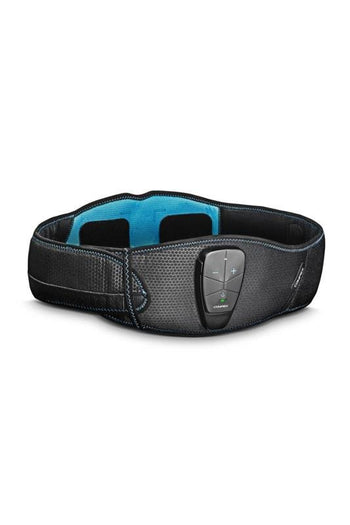
CoreBelt: specially designed for the abdominal and lumbar region, it features pre-positioned electrodes and offers up to 9 targeted programmes (toning, sculpting, waist refinement). Usable anywhere, it fits busy schedules perfectly. Discover how to achieve a flat stomach with the CoreBelt.
-
Compex stimulator: more versatile, it allows you to work all muscle groups, not just the abs. Ideal for those seeking a comprehensive muscle strengthening approach.
For optimising your core stability, see our guide on core training with electrostimulation.

Does electrostimulation replace exercise?
No, EMS is a complement, not a substitute. The best results come from combining traditional exercises, electrostimulation, and a suitable diet. Electrostimulation tones and strengthens, but only a caloric deficit reduces the fat covering the muscles.
Manage Stress and Optimise Sleep
As explained earlier, chronic stress and lack of sleep sabotage your efforts to lose belly fat. Integrate these practices into your routine:
To reduce stress:
-
Meditation or cardiac coherence (10-20 minutes daily)
-
Relaxing activities (yoga, tai chi, stretching)
-
Time in nature
-
Hobbies and enjoyable activities
-
Limiting screen time in the evenings
To improve sleep:
-
Regular bedtimes and wake-up times
-
Cool (18-19°C), dark, and quiet bedroom
-
Avoid screens 1-2 hours before bed
-
Limit caffeine after 14:00
-
Relaxation routine before bed
Aim for 7 to 9 hours of quality sleep each night.
How to Keep a Flat Stomach in the Long Term?
True success lies not in rapid weight loss but in maintaining results long term. Men who keep a flat stomach over time are those who turn temporary changes into permanent habits.
Keys to sustainability:
-
Gradual change rather than radical: Avoid drastic diets or exhausting exercise programmes. Opt for gradual changes you can sustain indefinitely.
-
Flexibility and the 80/20 rule: Eat healthily 80% of the time, allow controlled indulgence 20% of the time. This flexibility prevents frustration and giving up.
-
Regular measurement and adjustment: Weigh yourself weekly, measure your waist monthly. If you notice weight regain, adjust immediately rather than letting the issue worsen.
-
Integrated physical activity: Exercise should become part of your daily life, not a temporary chore. Find activities you genuinely enjoy.
-
Social support: Surround yourself with people who support your goals. Join training groups, share your goals with those around you.
-
Long-term vision: View these changes as an investment in your future health, not just a temporary aesthetic quest.
Visible Abs: An Achievable Reality
Losing belly fat after 40 is a challenge, but it’s far from impossible. Understanding the physiological mechanisms (hormones, metabolism, fat types) enables you to adopt a strategic, effective approach rather than exhausting yourself with poorly targeted efforts.
The winning formula combines tailored nutrition (moderate caloric deficit, low GI, high protein), varied physical activity (cardio + strength training + HIIT), stress and sleep management, and possibly electrostimulation for abdominal toning. This holistic approach yields lasting results beyond aesthetics: you’ll improve your metabolic health, lower your cardiovascular risks, and gain energy and vitality.
Remember, transformation takes time. Be patient, consistent, and focus on daily habits rather than perfection. Every small step in the right direction counts. Start today: adjust your diet, plan your exercise sessions, and consider Compex electrostimulation as a partner in your quest for a flat stomach. Your health and physique will thank you.
🙋Frequently Asked Questions
❓At What Age Do Men Start Gaining Belly Fat?
Abdominal fat can appear as early as your thirties, but it typically becomes more visible and problematic after 40. With age, several factors converge: muscle mass declines (sarcopenia), basal metabolism slows, and testosterone levels gradually drop. These physiological changes foster belly fat accumulation even without significant overall weight gain. The speed and extent of this phenomenon vary by genetics, lifestyle, diet, and physical activity level.
❓Is It Possible to Lose Belly Fat After 50?
Yes, absolutely! Losing belly fat after 50 is perfectly achievable, though it generally requires more discipline and patience than at 30. The key is a comprehensive approach: adapted nutrition (moderate caloric deficit with high protein), regular physical activity (cardio + strength training to preserve muscle mass), stress management, and quality sleep. Electrostimulation devices like the Corebelt can also accelerate results by toning abdominal muscles. Many men in their 50s, 60s, and beyond regain a flat stomach by adopting these habits long term. Consistency outweighs intensity.
❓Do Abs Exercises Make Belly Fat Disappear?
No, doing only abdominal exercises (crunches, leg raises, planks) does not melt belly fat. This is one of the most persistent myths in fitness. Ab exercises strengthen and develop the abdominal muscles, but do not target the fat covering them. You cannot choose where your body loses fat—your genetics determine the order of fat mobilisation. To lose abdominal fat, you must create an overall caloric deficit through diet and combine cardio, full-body strength training, and possibly HIIT. Abs are revealed in the kitchen, not just the gym.
❓How Long Does It Take to Lose Belly Fat?
The time needed to lose belly fat depends on several factors: your current fat percentage, the size of your caloric deficit, your consistency, genetics, and age. With a well-followed routine (adapted diet + regular exercise + possibly electrostimulation), the first noticeable changes usually appear after 3-4 weeks: improved tone, slight slimming. Visible results, with a significant waist reduction, typically occur between 6 and 12 weeks. For a complete and lasting transformation, count at least 3 to 6 months. The important thing is not speed but sustainability: slow, gradual loss (0.5-1 kg per week) is much easier to maintain than rapid, drastic loss.
Scientific Sources and Resources
Barbieri M. et al. - Pathophysiology of sarcopenia
https://pmc.ncbi.nlm.nih.gov/articles/PMC5725797/
Molecular constraints of sarcopenia in the ageing muscle - Frontiers in Aging
https://www.frontiersin.org/journals/aging/articles/10.3389/fragi.2025.1588014/full
Section "Abdominal Fat: Understanding the Two Types":
Exploring the link between visceral fat and cardiovascular disease in type 2 diabetes - Frontiers in Endocrinology
https://www.frontiersin.org/articles/10.3389/fendo.2025.1635282/full
Exploring the link between visceral fat and cardiovascular disease
https://pmc.ncbi.nlm.nih.gov/articles/PMC12527845/
Section "The Decisive Role of Hormones":
Low Testosterone and Weight Gain: Breaking the Cycle After 60
https://goldmanlaboratories.com/blogs/blog/testosterone-weight-gain-elderly
Low Testosterone Promotes Abdominal Obesity in Aging Men
https://ltmensclinic.com/low-testosterone-promotes-abdominal-obesity-in-aging-men/
Section "Chronic Stress and Cortisol":
Epel E. et al. - Stress may cause excess abdominal fat in otherwise slender women - Yale University
https://news.yale.edu/2000/09/22/stress-may-cause-excess-abdominal-fat-otherwise-slender-women-study-conducted-yale-shows
Stress and abdominal Fat: Preliminary Evidence of Moderation - PMC https://pmc.ncbi.nlm.nih.gov/articles/PMC3107005/
Section "Lack of Sleep":
Covassin N. et al. - Lack of sleep increases unhealthy abdominal fat - Mayo Clinic
https://newsnetwork.mayoclinic.org/discussion/lack-of-sleep-increases-unhealthy-belly-fat/
Section "HIIT for Optimising Fat Loss":
Viana R. et al. - Effect of High-Intensity Interval Training on Total, Abdominal and Visceral Fat - Sports Medicine https://pubmed.ncbi.nlm.nih.gov/29127602/
High intensity interval training promotes total and visceral fat mass loss - PLOS ONE https://journals.plos.org/plosone/article?id=10.1371%2Fjournal.pone.0214660