Reaching your goals and maintaining long-term consistency in running isn’t just for “good runners”—it’s for those who pay attention to everything that surrounds their training: the recovery pros. No matter the distance or intensity, if you want to keep stacking sessions, recovery is a key factor in your performance.
We’ve broken down post-run recovery into 3 stages:
1 – First aid, right after your session
2 – The days that follow
3 – Lifestyle habits that keep you in good shape
Here are our best tips for optimal recovery at each stage.
Right after your run: first aid
Tip #1 – Keep moving
Yes, you read that right. Stopping abruptly at the end of your effort is one of the best ways to guarantee heavy muscle soreness. We’re not asking you to keep running for hours—just a light cooldown jog for 5–10 minutes (or walking) helps increase blood flow to the muscles and eliminate metabolic waste like lactate. The sooner it’s cleared, the faster your post-run recovery.
Tip #2 – Eat & drink
Eating shortly after your session is essential. The 30 to 60 minutes after training are when proteins are best absorbed by your body to help repair damaged muscles. Ideally, pair them with a good dose of carbohydrates.
For protein, vary your sources—animal or plant-based, both work well.
Even if that celebratory beer is tempting, try to wait. It doesn’t provide much immediate benefit for recovery. First, opt for a drink that helps replenish the minerals you lost.
Tip #3 – Shower and massage
A shower goes without saying. Hot or cold? The debate continues. Alternating between the two may improve recovery by stimulating blood circulation, which helps eliminate metabolic waste.
After your shower, you can extend your recovery with a muscle massage. The “Post-Training (or Competition) Recovery” program is ideal within the first 3 hours after your run. After that, you can use “Relaxing Massage” or “Regenerating Massage” programs. Compression boots can also help relieve tired legs.

In the following days: continuing your recovery
Tip #1 – Rethink ice baths
Cold showers and ice baths may help you feel better quickly, but cold exposure after intense training can limit some of the cellular adaptations triggered by exercise. While it reduces soreness in the short term, these adaptations are essential for long-term performance gains.
Tip #2 – Try the sauna
Heat promotes relaxation and helps reduce muscle tension. After a hard run, a sauna session can support circulation and recovery. Heavy legs afterward are normal—it’s part of the recovery process.
Tip #3 – Keep massaging
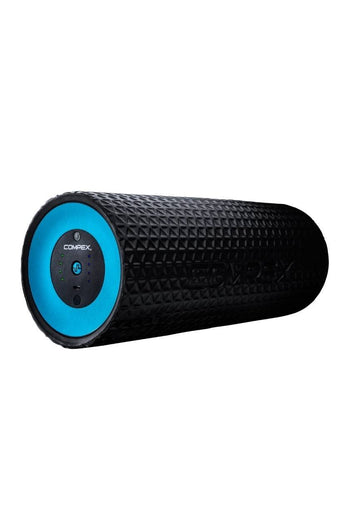
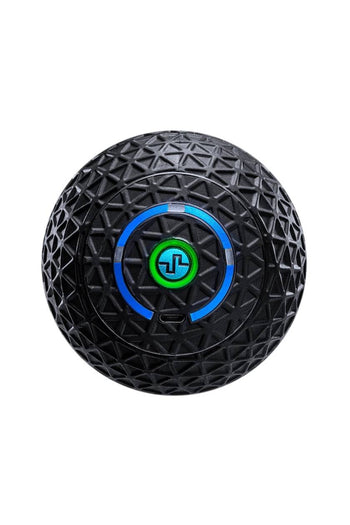
Massage guns, vibrating balls and rollers, electrostimulation—there are many options.
In the days following your session, you can support muscle recovery with:
-
Muscle electrostimulator: 20–25-minute program for targeted deep recovery
-
Massage gun, ball, or roller: 1 to 1.5 minutes per muscle group for surface massage
-
Compression boots: 20–40 minutes recommended for gentle lower-body recovery
Lifestyle habits that support overall fitness
Tip #1 – Eat like a champion
Balanced, varied, simple, and properly portioned nutrition is key. Runners need sufficient carbohydrates to replenish glycogen stores and adequate protein to support muscle repair.
Micronutrients such as zinc, magnesium, calcium, sodium, potassium, and vitamins also play an important role.

Tip #2 – Prioritize sleep
You need enough sleep, ideally on a regular schedule. Nighttime is when most full-body recovery processes occur. If you train intensively, consistent sleep and wake times significantly support recovery.
Tracking apps and wearables can help, but aim for at least 6 hours of sleep to give your body time to recover.
Tip #3 – Strength and mobility matter
Running alone isn’t enough. The muscles you use most also need dedicated strengthening to stay healthy.
Gym sessions, home workouts, bodyweight exercises, or external loads—all are effective. Adding targeted strength work to your routine helps build resilience and prevent injuries.
Good training, and happy running!